#CulturePH - Nam Joo-hyuk Is Back, and He Brought Ghosts: Why The East Palace Deserves Your Whole Weekend
Saturday morning always starts with the same lie you tell yourself: this weekend, you'll finally catch up on sleep, maybe read that book gathering dust on your nightstand, get ahead on chores before Monday swallows you whole. Then Friday night hits, the remote finds its way into your hand, and somehow it's 1 AM and you've just watched a court lady chase a spirit through a palace corridor lit by nothing but candlelight and dread.

That's the trap The East Palace sets, and honestly, it's a good one to fall into.
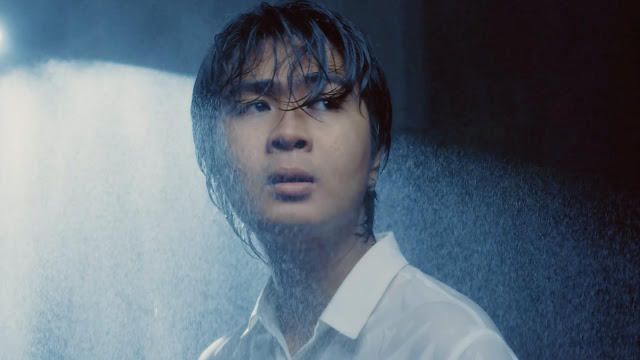
The series marks Nam Joo-hyuk's return to the screen, and it's the kind of comeback that makes the wait feel worth it. He plays Gu-cheon, a spirit-slayer pulled into the Realm of Gwi to untangle the mystery behind the deaths of the king's sons, and he's not doing it alone. Roh Yoon-seo plays Court Lady Saeng-gang, his partner in this increasingly dangerous investigation, while Cho Seung-woo anchors the story as the grieving king. Kwak Dong-yeon and Jang Young-nam round things out as the Crown Prince and the Lady Dowager, two characters whose motives you'll find yourself questioning episode after episode.

What makes the show click, though, isn't just the cast. It's the restraint. Eight episodes is a tight runway for a story this layered, and instead of padding things out, the writers let every episode peel back just enough to keep you leaning forward. You'll notice it happening to you, that specific itch of needing to know what's behind the next door, the next revelation, before you allow yourself to stop for the night.

The show's real backbone, though, is its folklore. The East Palace doesn't invent its ghosts out of nowhere. It pulls from Korean spirit lore, giving us the gwi-mae, the won-gwi, the ak-gwi, each with its own rules and its own tragedy underneath the fear. There's even a scene-stealer in the ggeomeoksali, a spirit meant to drain "Yang" energy from the living, reimagined here as a strange, oddly endearing little gremlin that ends up bonding with Gu-cheon. It's the kind of detail that turns a horror element into something with heart, and it's a reminder that the best fantasy worldbuilding usually comes from someone who actually did the reading.

Visually, the show earns every frame. The cinematography treats the line between the Land of the Living and the Realm of Gwi as something you can almost feel, cold light versus flickering shadow, wide shots that make the palace feel like a place of order barely concealing chaos underneath. The close-ups on the spirits do a lot of quiet work too, letting dread build without needing jump scares to do the heavy lifting.

And maybe that's the part worth sitting with after the credits roll: The East Palace never picks just one lane. It's historical drama and supernatural horror and slow-burn romance and mystery thriller, often within the same episode, and it never feels like it's juggling too much. It just feels like a story that trusts its audience to hold more than one thread at a time.

That trust is rare. Most shows flatten themselves to fit a genre because it's easier to market, easier to summarize, easier to sell in a single sentence. The East Palace doesn't bother with easy. It asks you to sit in the discomfort of a haunted palace and the tenderness of two people slowly understanding each other, sometimes in the same scene, and it never once feels like a contradiction.

By the time you reach the finale, you won't just have finished a show. You'll have spent a weekend somewhere between two worlds, and you'll understand exactly why Gu-cheon keeps going back.

Comments
Post a Comment